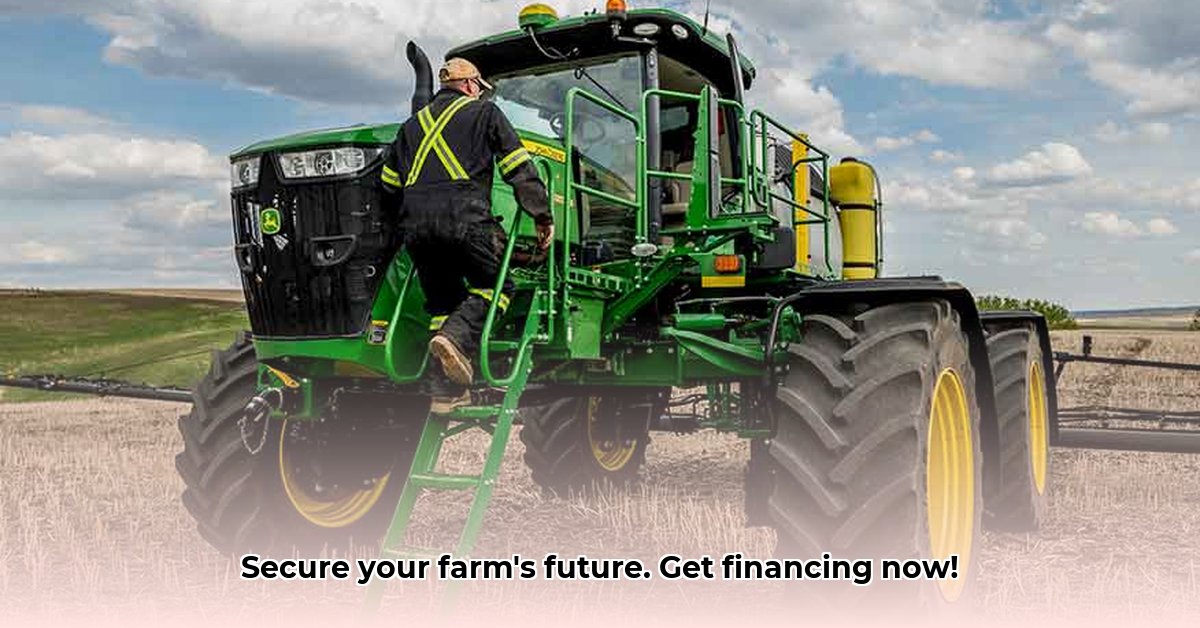
Investing in sustainable agriculture often requires significant upfront capital, particularly for essential equipment like tractors. A new or upgraded tractor can dramatically improve efficiency and reduce your environmental impact, but the initial cost can seem daunting. Securing the right farm tractor loan, however, can be the key to unlocking your farm’s potential and building a greener, more profitable future. This guide will help you navigate the financing process, ensuring you make informed decisions that support your sustainable farming goals. For more information on securing financing, check out this helpful resource: Farm Tractor Loans.
Understanding Your Loan Options
Several types of farm tractor loans are available, each with its own pros and cons. Choosing the right one depends on your financial situation, credit history, and the specific needs of your operation.
Conventional Loans
These are standard loans from banks or credit unions. They’re readily available, but typically require a strong credit history and collateral (e.g., land, existing equipment) to secure the loan. While they often have fixed interest rates for predictable monthly payments, interest rates can be higher than government-backed options. Do you have a robust credit history and suitable collateral? These are key factors in qualifying for this option.
Government-Backed Loans
Government agencies, such as the USDA, offer loan programs designed to support farmers, often with lower interest rates and more flexible repayment terms than conventional loans. These programs often prioritize sustainable practices, making them particularly relevant to your needs. However, they typically involve more extensive paperwork and stricter eligibility criteria. Is your operation aligned with government sustainability initiatives?
Leasing
Leasing offers lower upfront costs and flexibility. Payments are made over a set period, after which the tractor is returned. This can reduce the initial financial burden, but you won't own the tractor at the lease's end. Is owning the tractor a necessity, or is the flexibility of leasing more advantageous to your business model?
| Loan Type | Advantages | Disadvantages |
|---|---|---|
| Conventional Loans | Readily available, predictable payments, fixed interest rates | Requires strong credit, higher interest rates possible |
| Government-Backed | Lower interest rates, flexible repayment terms | More paperwork, stricter eligibility, specific program requirements |
| Leasing | Lower upfront costs, flexibility | No ownership at lease end, higher total cost possible |
Eligibility Criteria: What Lenders Look For
Securing a loan involves more than just a completed application. Lenders assess your overall financial health and the viability of your farming operation.
Credit Score: A high credit score significantly increases your chances of approval and often secures you a more favorable interest rate. What steps can you take to improve your credit score before applying?
Collateral: Lenders typically require collateral to mitigate risk. This can include land, existing farm equipment, or livestock. What assets do you possess that could serve as collateral?
Farm History: Lenders review your past financial performance and farming practices. Detailed, organized financial records are essential for demonstrating your farming experience and financial stability. How can you best present your farm's financial history to showcase its success?
Business Plan: A well-written business plan outlining your farm's operations, financial projections, and commitment to sustainable practices is crucial. This demonstrates your understanding of the market and your long-term vision. Have you developed a comprehensive business plan that explicitly highlights your sustainable farming practices?
The Application Process: A Step-by-Step Guide
The loan application process involves several key steps:
Research: Thoroughly compare loan options from various lenders. Don't settle for the first offer you receive.
Gather Documents: Compile all necessary financial records (bank statements, tax returns, business plan).
Complete Application: Carefully and accurately fill out the loan application.
Negotiate Terms: Interest rates, repayment schedules, and loan terms are often negotiable. Don't hesitate to discuss options to find the best deal.
Review and Sign: Before signing, carefully review the loan agreement to ensure you understand all terms and conditions. Seek clarification on anything you don't understand.
Making Informed Decisions: Long-Term Costs
Beyond the initial loan amount and interest rate, consider the total cost of ownership. Factor in costs like maintenance, repairs, insurance, and fuel. Will a longer repayment period ease short-term financial strain or will it ultimately increase your overall costs? A detailed financial analysis is crucial before committing to a loan.
Government Incentives & Subsidies: Boosting Your Funding
Many government programs offer financial assistance for sustainable agricultural practices. Research available programs at the local, state, and federal level to identify potential sources of additional funding. These programs often provide grants or subsidies that can significantly reduce your overall costs.
Case Studies: Learning from Success
Numerous farmers have successfully secured financing for sustainable equipment. These stories provide valuable inspiration and insight. Networking with other farmers can lead to valuable mentorship and a better understanding of the financial landscape.
"Securing financing for sustainable equipment is a critical step in building a resilient and profitable farm," says Dr. Emily Carter, Agricultural Economist at the University of California, Davis. "Understanding your options and planning carefully will significantly improve your chances of success."
Conclusion: Investing in Your Sustainable Future
Securing a farm tractor loan is a significant financial decision. By carefully considering your options, diligently preparing your application, and thoroughly understanding the long-term costs, you can make informed choices that support your farm’s sustainable practices and long-term success. Remember to leverage available resources, research government assistance programs, and network with other successful farmers to maximize your chances of securing the financing you need to build a thriving sustainable operation.